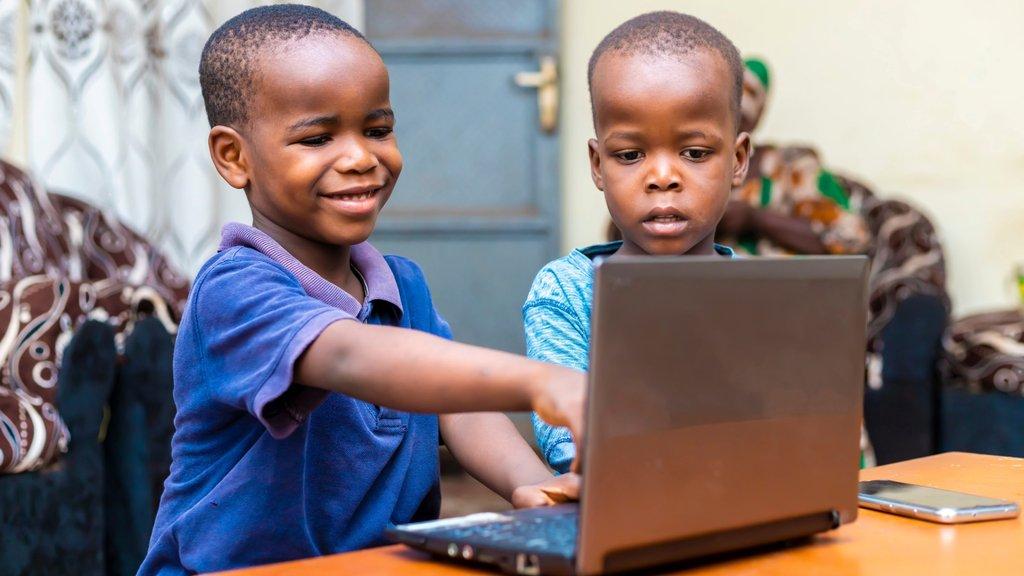
Somewhere right now, there is a school trying to teach students computer skills without enough working computers. At the exact same time, businesses around the world are storing retired servers, switches, monitors, desktops, accessories, and networking equipment that nobody plans to use again.
Most of that technology is not broken. It simply no longer fits the company’s current environment.
This growing gap between unused business hardware and schools lacking access to technology is one reason more organizations are starting to rethink what responsible donation actually means.
Because donating IT equipment is not just about removing old devices from storage. When done properly, it becomes part of a much larger technology lifecycle.
Why Businesses Delay Donations
Many companies want to donate technology but never move forward because the process feels unclear.
Questions usually appear immediately:
- What equipment can actually be donated?
- What happens to the data?
- Who handles logistics?
- Can old servers still be useful?
- What equipment should be recycled instead?
- How do schools actually use this technology?
Without clear answers, retired hardware often stays untouched for years.
Meanwhile, equipment continues aging in storage while schools and educational programs still struggle to access reliable digital infrastructure.
Donate Equipment without having to worry about all these questions
Responsible Donation Starts With Understanding What Still Has Value
One of the biggest misconceptions around retired IT equipment is assuming older hardware automatically becomes useless.
In reality, many schools and learning programs do not need the newest enterprise technology. Functional servers, switches, monitors, desktops, accessories, and networking equipment can still support:
- computer labs
- classroom learning
- digital literacy programs
- administrative systems
- local networks
- teacher training
That is why businesses should begin with a proper inventory review before making disposal decisions.
Many organizations discover they still have large amounts of usable technology sitting in storage after infrastructure upgrades or office transitions.
Companies already managing broader lifecycle operations through Dragon Sino are increasingly paying attention to what happens after hardware leaves production environments. More businesses now recognize that technology lifecycle management includes reuse, refurbishment, responsible recycling, and donation planning.
Data Security Is Usually the Biggest Concern
For most businesses, the biggest hesitation around business IT donations is not the hardware itself.
It is the data.
Retired devices may still contain:
- customer records
- internal files
- employee information
- backups
- login credentials
- operational documents
That is why proper data sanitization matters before any equipment leaves a company environment.
According to the National Institute of Standards and Technology, organizations should follow structured media sanitization practices before reusing or disposing of electronic devices. Responsible donation starts long before the hardware reaches a school. It starts with secure handling and proper preparation.
Not Every Device Should Be Donated
A responsible donation strategy also means understanding when equipment is no longer suitable for reuse.
Some devices may:
- fail testing
- lack compatible parts
- become unreliable
- no longer support secure operation
Those systems may be better candidates for responsible recycling instead. The goal is not to donate everything. The goal is to extend the life of technology that can still create meaningful value while responsibly managing equipment that cannot.
That balance matters.
Recycle our IT hardware responsibly at no cost
Technology Access Requires More Than Laptops
One mistake many organizations make is thinking educational technology only means laptops.
In reality, schools also need:
- networking equipment
- servers
- monitors
- accessories
- stable connectivity
- infrastructure support
A classroom with devices but no reliable network quickly becomes limited. At Tech On Hand, the focus is not simply collecting equipment. The goal is helping create technology environments that remain functional long term. That includes refurbishment, logistics coordination, infrastructure planning, and deployment support that help schools actually use the donated technology effectively. This is one reason technology reuse plays such an important role in sustainable educational access.
Electronic Waste Is Growing Faster Than Most People Realize
According to the Global E Waste Monitor, the world generated 62 million metric tons of electronic waste in 2022, and the number continues rising rapidly every year.
Much of that growth comes from faster hardware replacement cycles across businesses and institutions worldwide.
At the same time, millions of students still lack access to basic digital learning infrastructure.
Those are not separate problems.
Responsible reuse helps connect the gap between retired technology and communities that still need it.
Ready To Put Retired Technology Back Into Use?
Every year, businesses replace infrastructure that still has the ability to support learning, connectivity, and digital access for schools that need it most.
At Tech On Hand, we help companies responsibly donate retired servers, networking equipment, desktops, monitors, accessories, and other enterprise technology through secure handling, refurbishment, logistics coordination, and educational deployment across Africa.
If your organization is ready to move beyond storage rooms and give retired technology a meaningful second life, our team can help you evaluate what equipment can still create impact.
Because the right technology, placed in the right environment, can open opportunities far beyond the office it came from.
Continue Reading
What Companies Do With Retired Hardware
Laptop Donation Program for Students: How It Works and How to Get Involved
Why Old IT Equipment Becomes a Hidden Business Problem